Trending

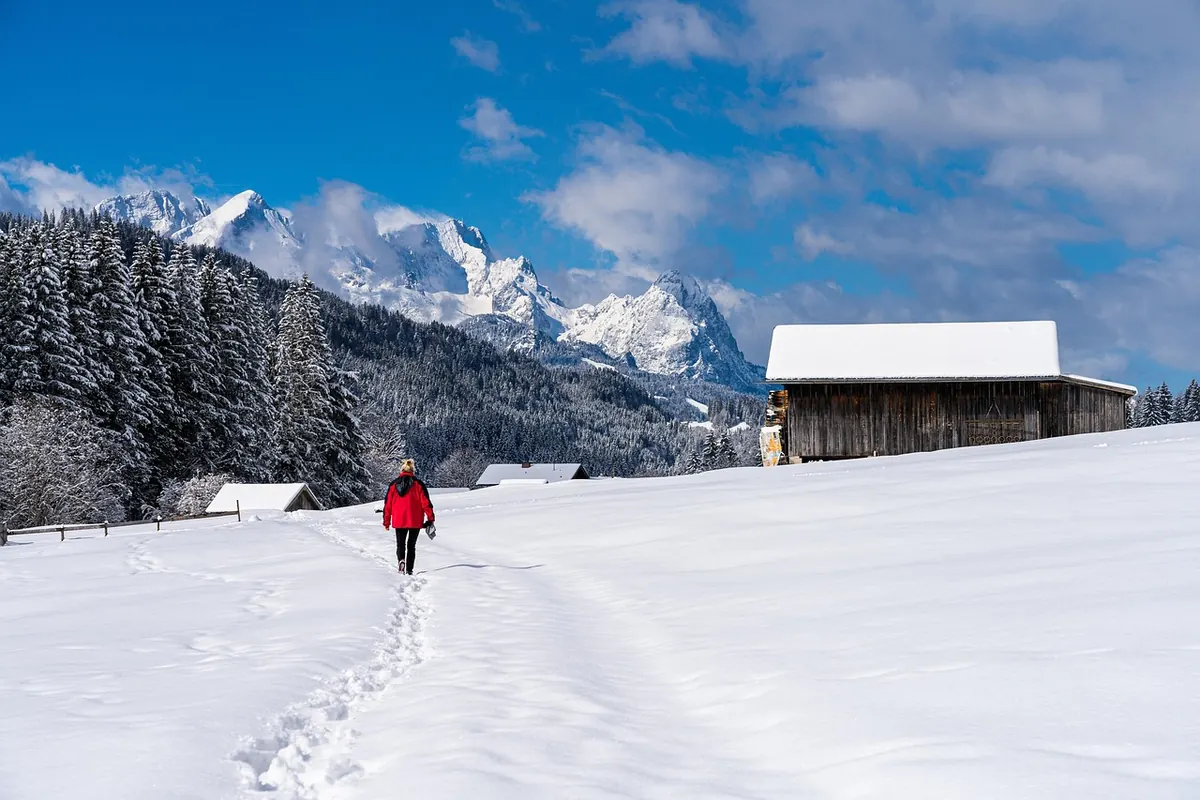
Rain on the fells rarely falls. It arrives sideways, at speed, and it keeps arriving for the four hours it takes you to get back off the ridge. Almost any jacket will cope with ten minutes of drizzle in the valley. The real question is whether it still works when you are sweating uphill into wind-driven rain with a pack on. Labels answer that with numbers — hydrostatic head, breathability, RET — and the numbers are useful, but only once you know what was measured and what was quietly left out.
Hydrostatic head is measured in millimetres, and it describes how tall a column of water a fabric can hold back before water pushes through. A 10,000mm jacket survived a ten-metre column in a lab. That is a lot of water, and it explains why a decent jacket shrugs off an ordinary downpour.
As a rough guide: 5,000mm will keep off steady rain for a while; 10,000mm is a sensible floor for British hillwalking; 20,000mm and upward is what you want for long days on exposed ground. Higher figures often come with a heavier, stiffer, pricier fabric, so there is a trade to make.
The catch is what the test does not include. It is done on a flat sample of cloth, not on a finished jacket. It says nothing about seams, zips, or what happens when a pack strap presses rain against your shoulder for three hours. A well-cut 10,000mm jacket will keep you drier than a leaky 20,000mm one.
Breathability is where the marketing gets thickest, partly because there are two different scales in use and they run in opposite directions.
Both are measured under lab conditions that no hillside reproduces. Real performance depends on temperature, humidity, how hard you are working, and whether the outer fabric is beading water or soaked through. A jacket whose durable water repellent has failed will feel clammy even if its rating is excellent, because the wetted-out face fabric blocks vapour and goes cold against your arms.
Treat breathability numbers as a rough ranking within a brand, not a fair fight between brands. Then remember that a jacket with ordinary numbers and good vents will often outperform one with brilliant numbers and none.
Pit zips are the most useful feature that never appears on the swing tag. On a long climb in full waterproofs you will overheat long before you get cold, and the fastest way to dump heat is to open a zip.
Look for two-way zips, which let you open from the middle, and mesh backing, which lets you vent wide without displaying your base layer to the world. Placement matters too: a vent that runs high in the armpit stays clear of pack straps, while one that drops toward the hip can end up buried under a hipbelt.
Vent zips are rarely taped or fully water-resistant. Open them in heavy rain and water will find its way in. That is the trade: wet from rain, or wet from your own sweat. On a steep ascent, sweat usually wins.
There are other ways to move air, and they cost nothing. A two-way main zip opened from the bottom, cuffs loosened on the climb, a hem drawcord snugged down on the summit. Used together, they buy you a surprising amount of comfort.
You will remember a bad hood far longer than you remember a hydrostatic head figure. Four things matter.
The peak. A wired or stiffened brim keeps rain off your face and your glasses. A floppy one folds up in wind and does nothing.
The adjustment. You want volume control at the back and tension at the sides, with cords you can pull one-handed in gloves. A hood that will not tighten will slap against your ears in a gust; one that will not loosen is a sauna.
The collar. A high collar that reaches your chin keeps drips from running down your neck. It should not fight the hood when both are up.
The turn. Put the hood up and turn your head. If the hood stays put while your face turns inside it, you will be half-blind on a summit. It should follow you.
Roll-away hoods that stow in the collar are convenient, but the stowable peak is usually softer than a fixed one. If you walk in the hills through winter, that compromise is worth thinking about.
Seams are the classic weak point, so check that they are taped, and check where. A jacket with taped shoulders and untaped everything else is not a fully taped jacket.
Zips deserve the same suspicion. A water-resistant main zip with a storm flap behind it is standard on good jackets; the flap should face away from the weather and sit over a gutter, so drips run off rather than in. Pocket zips should be water-resistant too, because a wet chest pocket is a wet phone.
Then there is the finish. The durable water repellent makes rain bead and roll off the face fabric. It wears away with use and dirt, and when it goes the jacket wets out and stops breathing well. Washing it as the care label instructs, then reproofing, restores most of that performance. It is the cheapest upgrade your jacket will ever get.
Finally, cuffs and hem. Hook-and-loop cuffs you can tighten with gloves on, and a hem drawcord that holds rather than slipping, make more difference on a windy col than another 5,000mm of lab rating.
A waterproof jacket has to fit over a base layer and a fleece, with enough room to move and not so much that it balloons in wind. Try it on over the layers you actually wear, not over a T-shirt.
Reach both arms overhead. The cuffs should not drag halfway up your forearms, and the hem should not ride up to your ribs. Check that chest pockets can be reached around a pack hipbelt or a harness. A slightly dropped hem is welcome when you sit down on wet ground for lunch.
Weight matters less than fit. A light jacket that moves with you beats a heavy one that flaps, and both beat a jacket you left at home because it is uncomfortable.
Take your pack and mid layers into the shop, and run through this before you decide.
Then choose the one with the better hood and the better fit. Those are the two things you cannot fix later, and on a wet traverse of a wind-scoured ridge, they are the two things you will notice.
Photo: alandsmann / Pixabay