Trending

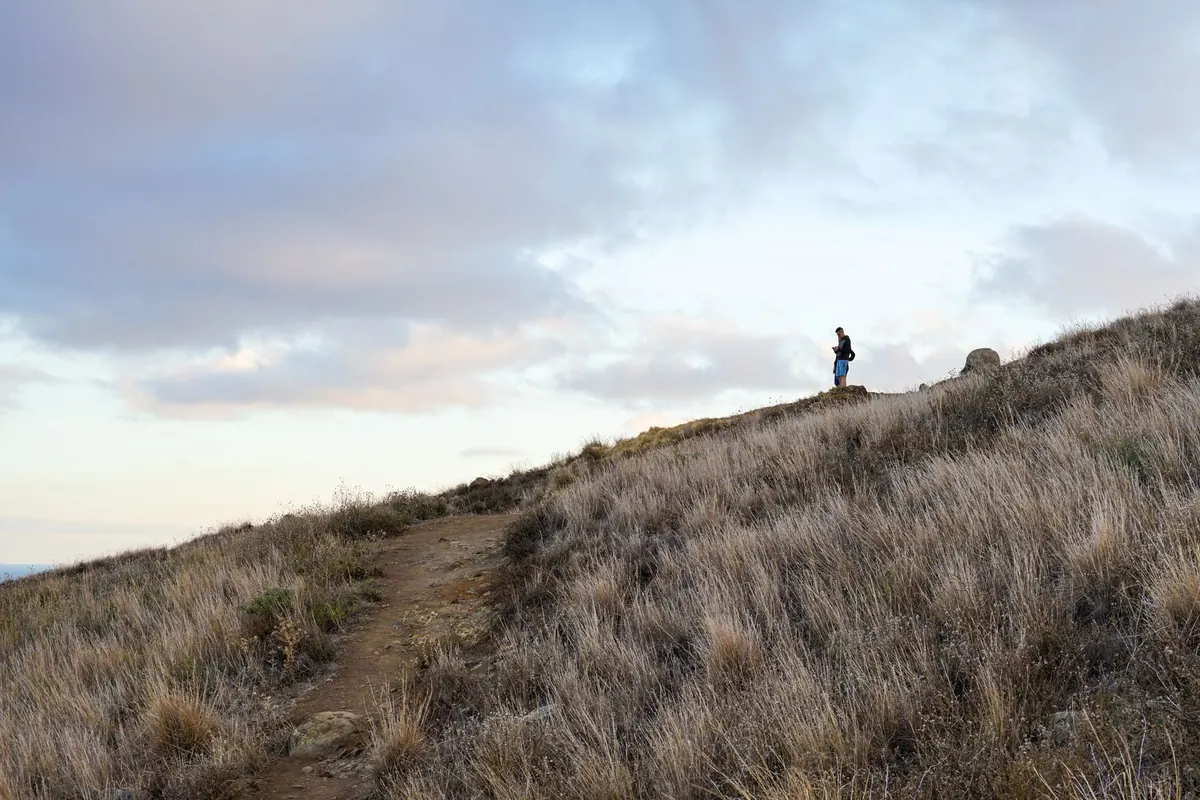
Every fell walker has a first summit, and it is rarely the one they planned. Perhaps it was the nearest hill to a rented cottage, or the one a friend promised would take "only an hour". What matters is that it worked: the ground was forgiving, the path findable, and there was a way out if the weather turned.
The six fells below are chosen for that first day. All have short approaches, decent paths and at least one straightforward escape route. None needs scrambling skill or a head for exposure, and the heights run from a gentle 238 metres to a properly satisfying 499.
Difficulty is not only about height. A 300-metre hill with a boggy, pathless approach in thick cloud is harder than a 500-metre one on a clear track. When you are weighing up a first outing, look for:
The traditional starting point: Wainwright climbed this one before he wrote about fells at all. A mostly surfaced track leaves Windermere village opposite the station and reaches the top in about forty minutes, a mile and a half there and back. The view over Windermere to the Langdale fells is far better than the effort deserves. Firm underfoot, one short steep section, and the only escape you need is to turn round. Good for testing new boots or stretching your legs after a long drive.
The shortest way up is a mile or so of broad track from Gale Road car park near Underscar, gaining around 120 metres. From Keswick itself it becomes more of a half-day, adding a couple of miles each way. Either way the summit is grassy, with a big view down Derwentwater to Borrowdale and Skiddaw at your back. The path is wide and obvious. If cloud comes in, drop to Spooney Green Lane and walk into town. The car park is small and fills early.
From Ambleside or Rydal, roughly three to four miles and a couple of hours. The terrain is mixed: rocky steps, grass, and a few short hands-on moves near the top that are fine dry and greasy in the wet. The summit is a maze of paths, which can unsettle a newcomer, so pick a route from a guidebook and follow it rather than improvising. Escapes are plentiful, with paths dropping to Rydal, Grasmere and Skelwith Bridge.
The best-known first fell, and deservedly so. From Hawes End it is about three miles and 300 metres of ascent, mostly on stone steps. The last pull to the top has a couple of rocky moves that want care when wet, but nothing that needs hands for long. Two hours at an easy pace. Escape means retracing your steps. It is busy, which some find off-putting and others find reassuring, so start early or go midweek.
The quiet one. From Wythop Mill it is roughly two miles and an hour on grass and old tracks, and you will often have it to yourself. The final pull asks something of your legs, but there is no rock, no exposure and no queue. Come back the way you went, or carry on to Ling Fell next door if everyone is still cheerful. Ideal when the central fells are in cloud or the car parks are full.
Tallest here, still gentle. From Keld the way climbs on grass and old lead-mining tracks to a flat, airy summit above the meeting of Swaledale and Birkdale. A circuit down to Muker and back along the river past Kisdon Force runs to four or five miles and two to three hours, almost entirely on grass and firm track. Both Keld and Muker have paths out and somewhere to sit down afterwards.
Wind and cloud decide more than height does. A 240-metre summit in drizzle and a stiff westerly feels harder than Cat Bells on a still, bright morning, so check the cloud base before choosing: if it is sitting below the tops, take the lowest fell on the list. Wet rock turns easy steps into slippery ones, so on a drizzly day prefer grass, bridleway and pitched stone. Watch the daylight you have left rather than the time you set off. If you are out of practice, returning from illness, or managing knee trouble, a grassy descent such as Kisdon or Sale Fell is kinder than steep steps. Anyone with a heart or lung condition, or a joint problem that has not been looked at lately, should speak to a GP before taking on anything steep.
Short does not mean nothing. On these fells you are often an hour or more from the road, and mobile signal is patchy in the valleys, never mind on the tops.
Then take the next one up the list. That is the whole trick: a first fell that leaves you tired, pleased, and already thinking about where to go next.
Photo: Alexandre Moreira / Pexels