Trending

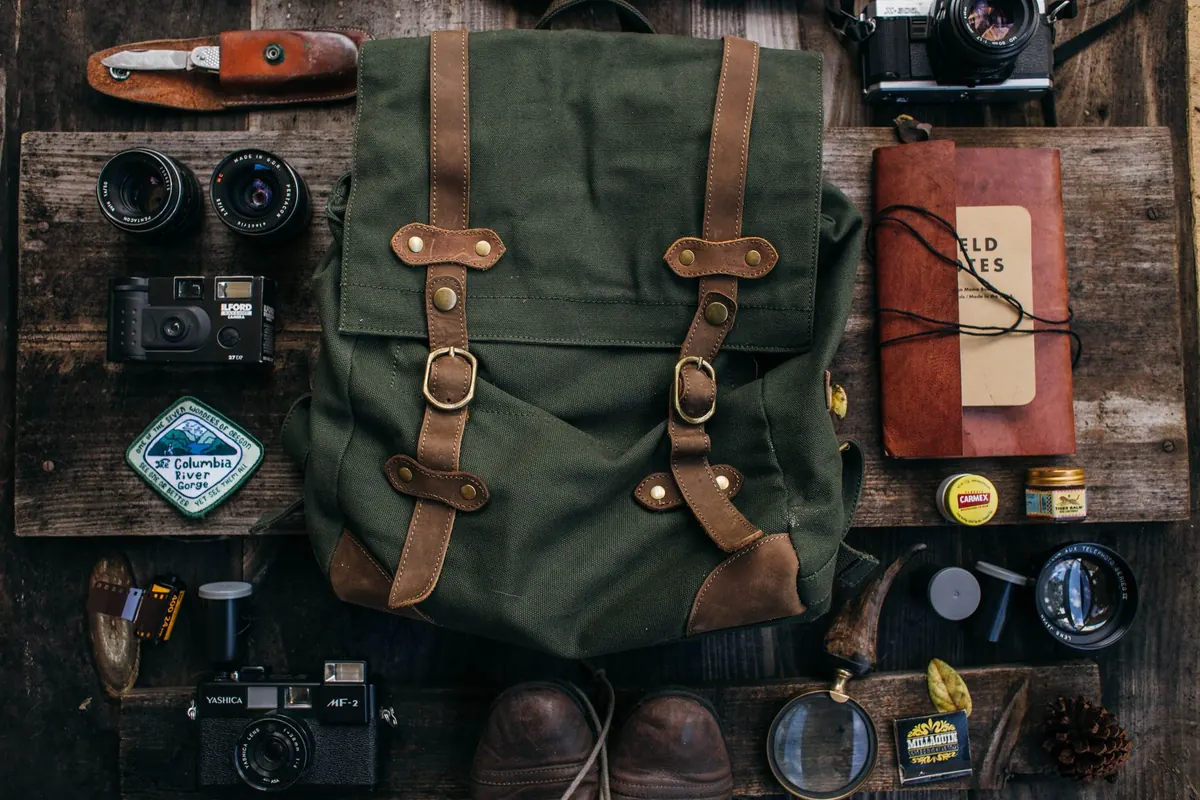
The pack that works is the one you have packed a hundred times. Fells do not ask much of your kit, but they ask it reliably: a summit at 900m can be several degrees colder than the valley, with wind that pulls the warmth out of you in minutes and rain that arrives without negotiation. This list is for a single day out — up and back before dark, no camping — and it is built to be ticked off the night before, not assembled in a car park while everyone waits.
Three layers do almost all the work: something against the skin, something to trap warmth, something to keep the weather out. Everything else is a variation on those.
Two small habits are worth building. First, keep the spare layer in a dry bag inside the pack, so it stays dry even if everything else gets soaked. Second, when you stop on a windy summit, put the warm layer on before you start to feel cold — you will cool fast once you stop moving.
A phone is an excellent map, right up to the moment the screen dims in the cold or the signal and battery both go. Carry the paper version and the skills to use it.
Leave a route plan with someone: where you are parked, the route, your expected return time, and the number to call if you are not back. Then text them when you are down. Practise the compass work on a hill you know well, so the first time you use it in anger is not the first time you have used it at all.
Eat little and often rather than saving everything for the summit. Something at the top of the climb, something on the descent, and a snack in between keeps you moving better than a big sit-down meal.
Water is personal, but a litre for a half day is a reasonable starting point, more in heat or on long days. Do not count on refilling from fell becks. They look clean and often are, but you cannot tell by looking; if you plan to drink from streams, carry a filter or purification tablets, or boil the water. A second bottle costs little and saves a lot of thirst.
None of this needs to be heavy, and all of it should live in the pack permanently so you never have to remember it.
Add an insulated jacket, spare gloves, a flask, more food and a second torch in winter. If snow or ice is likely, add spikes or crampons and an axe only if you have been taught to use them — carrying them without the skills is not safety. Add a group shelter, extra layers and more food if you are out with children or a large group, and build in more time than you think you need.
Add water, sun hat and sunscreen for long summer days, and a midge net for still evenings in the west. Add a paper note of the grid reference of your car park if you are on unfamiliar ground.
You can drop the belay layer, flask and spare socks on a short, low-level walk in settled weather. You cannot drop the waterproofs, map, compass, whistle, torch, food or water. Those are the floor, not the ceiling.
Pack the same items into the same pockets every time. When the wind is up and the cloud is down, you want to reach for your gloves without thinking about where they went. Unpack when you get home, replace what you used, and put the kit straight back in the bag. A day pack that is always ready is the difference between an early start on a good forecast and twenty minutes in the hallway hunting for a hat.
Photo: Rachel Claire / Pexels